
For most of her career, Erin Badour believed she was helping people the best way she knew how.
As a medical speech-language pathologist, she worked with adults recovering from strokes, traumatic brain injuries, and neurological disorders. Every symptom had a place in the brain. Every treatment had a purpose.
But when she began working with children struggling with attention, learning disabilities, anxiety, and emotional regulation, something didn’t sit right.
The therapies were helping – but not enough.
“I kept feeling like there was a missing link,” she recalls.
That question would ultimately change the course of her career.
Rather than accepting symptoms at face value, Badour became increasingly interested in one question:
Why was the brain producing those symptoms in the first place?
The deeper she studied neuroscience, the more convinced she became that many of the answers weren’t found in the symptoms themselves, but in the way the brain was functioning underneath them.
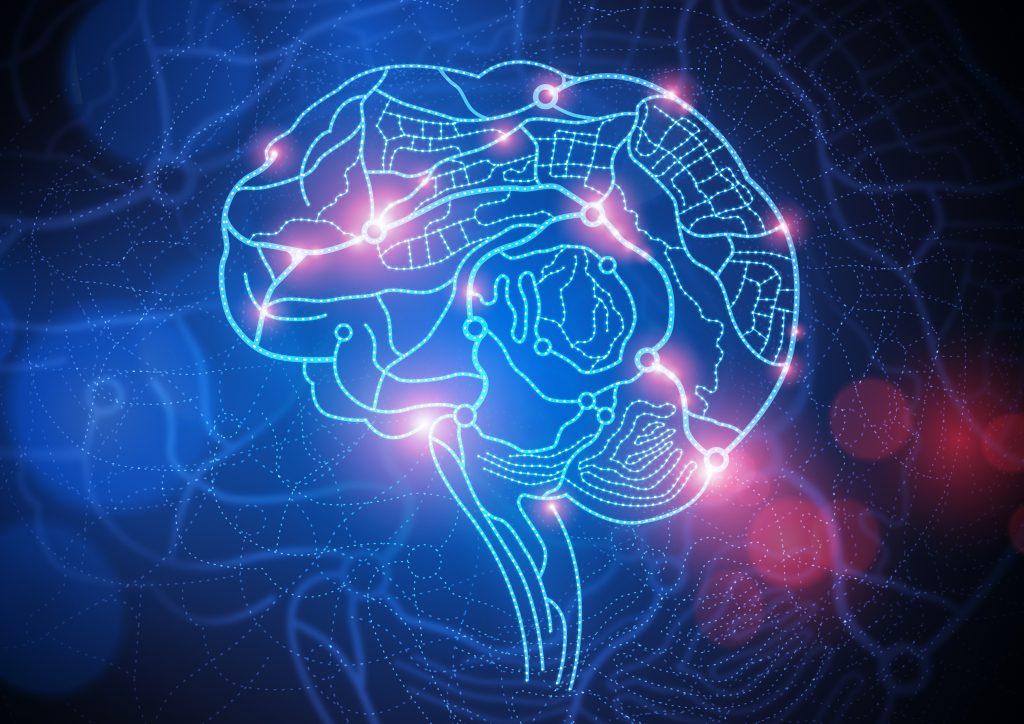
That realization led her to neurofeedback and quantitative EEG brain mapping, technologies that evaluate patterns of brain activity rather than relying solely on observable behaviors.
Today, as the founder of NeuroZone Wave, Badour has built her practice around a simple philosophy: before asking how to manage a symptom, first understand why the brain is producing it.
She often compares the brain to the foundation of a house.
“If the foundation isn’t stable, everything built on top of it becomes harder,” she explains. “Attention, emotional regulation, executive function, learning, sleep – even resilience – all depend on that underlying platform.”
To make neuroscience easier to understand, Badour often describes the brain as having an “upstairs” and a “downstairs.” The upstairs brain is responsible for reasoning, planning, decision-making, and self-control. The downstairs brain is where survival, emotional regulation, and automatic responses originate. When the downstairs brain becomes stuck in a constant state of stress or threat, the upstairs brain has a much harder time doing its job.
“That’s why I don’t just ask what symptom someone is experiencing,” she says. “I ask what’s happening underneath it.”
Instead of viewing anxiety, ADHD, brain fog, or emotional overwhelm as isolated conditions, Badour encourages people to see them as signals that the brain may not be regulating efficiently.
That perspective also changes how she thinks about trauma.
Trauma isn’t simply a difficult memory someone should “get over.” It can change the way the brain processes information and responds to the world. While insight gained through counseling can be incredibly valuable, understanding those physiological changes can add another important layer to the healing process.
For Badour, the goal isn’t to replace traditional therapies. It’s to expand the conversation.
“We’ve become very good at naming symptoms,” she says. “Now we need to become just as good at understanding the systems creating those symptoms.”
One of the reasons her educational content has resonated with so many people online is her ability to translate complex neuroscience into language anyone can understand. Rather than overwhelming audiences with medical terminology, she uses simple analogies and everyday examples that help people finally understand what may be happening inside their own brains.
Her mission extends beyond the walls of her clinic.
As she continues developing educational resources and technology designed to make neuroscience more accessible, Badour hopes more families, clinicians, and healthcare professionals begin asking different questions – not simply, “What diagnosis does this person have?” but, “What is this brain trying to tell us?”
For her, that’s where meaningful change begins.
The future of brain health, she believes, won’t come from treating people as collections of symptoms. It will come from understanding the brain as an interconnected system capable of change, adaptation, and healing.
And perhaps most importantly, it will come from helping people realize they are not broken.
Sometimes they simply haven’t been shown the whole picture.
If you or someone you love is struggling with attention, anxiety, brain fog, emotional regulation, or other cognitive challenges, there may be more to the story than symptoms alone. Learn more about Erin Badour’s brain-based approach and schedule a consultation to discover whether a comprehensive assessment can help uncover the missing piece.
We encourage you to schedule a consultation with Erin Badour and the team of experts at NeuroZone today. If you have any further questions, please call any of our offices directly at (310) 821-3640.